


What is Chronic Care Management (CCM) and Why Does It Matter?

What is Chronic Care Management (CCM) and Why Does It Matter?

In today’s healthcare landscape, the increasing prevalence of chronic conditions such as diabetes, heart disease, and hypertension has necessitated a paradigm shift in how care is delivered. Traditional episodic care models often fall short of addressing the complexities of chronic illnesses, leading to gaps in patient outcomes and unnecessary healthcare expenditures. This is where Chronic Care Management (CCM) steps in—a proactive approach that emphasizes coordinated care for patients with multiple chronic conditions.

In this blog, we will explore the fundamentals of CCM, its core components, and why it is a critical aspect of modern healthcare.

Defining Chronic Care Management (CCM)

Chronic Care Management is a structured care coordination service provided to Medicare beneficiaries with two or more chronic conditions expected to last at least 12 months or until the end of life. CCM aims to improve patient outcomes, enhance quality of life, and reduce healthcare costs through continuous monitoring, personalized care plans, and effective communication among healthcare providers.

Implemented in 2015 by the Centers for Medicare & Medicaid Services (CMS), CCM allows healthcare providers to bill for non-face-to-face services offered to eligible patients. These services include regular check-ins, medication management, coordination among specialists, and the use of technology to monitor health conditions remotely.

Core Components of Chronic Care Management

Effective CCM programs are built on several key components designed to ensure that patients receive comprehensive, personalized, and proactive care:

Personalized Care Plans:

Each CCM patient has an individualized care plan tailored to their specific conditions, goals, and preferences. This plan includes details about medications, diet, exercise, and other interventions necessary for managing chronic conditions effectively.

Care Coordination:

Chronic care often involves multiple healthcare providers, such as primary care physicians, specialists, pharmacists, and therapists. CCM ensures seamless communication among these professionals to avoid duplication of services, medication conflicts, and treatment inconsistencies.

24/7 Access to Care:

Patients enrolled in CCM programs have round-the-clock access to healthcare professionals who can address their concerns, provide guidance, and respond to emergencies.

Health Monitoring and Follow-Ups:

Regular follow-ups via phone calls, emails, or remote monitoring technologies ensure that patients adhere to their care plans. This constant oversight helps in identifying potential complications early and preventing hospital readmissions.

Patient Engagement:

CCM emphasizes educating patients about their conditions and empowering them to take an active role in managing their health. This involves discussions on lifestyle changes, medication adherence, and understanding the importance of routine check-ups.

The Importance of Chronic Care Management

Chronic Care Management is not just a convenience; it is a necessity in addressing the challenges posed by chronic diseases. Here are some key reasons why CCM matters:

1. Improving Patient Outcomes

Chronic illnesses often require ongoing management to prevent complications and progression. CCM ensures that patients receive consistent care, leading to better disease management and improved quality of life. For instance, a diabetic patient enrolled in a CCM program is more likely to have their blood sugar levels monitored and controlled, reducing the risk of severe complications.

2. Reducing Healthcare Costs

Unmanaged chronic conditions often lead to frequent hospitalizations, emergency room visits, and expensive treatments. By emphasizing preventive care and early intervention, CCM reduces the financial burden on both patients and the healthcare system. According to a CMS report, CCM programs have demonstrated a significant reduction in hospital admissions and overall healthcare expenditures.

3. Enhancing Care Continuity

One of the primary challenges in managing chronic diseases is the fragmentation of care. Patients often see multiple specialists, leading to gaps in communication and uncoordinated treatments. CCM bridges this gap by serving as a central hub for care coordination, ensuring that all healthcare providers are aligned in their approach.

4. Promoting Patient-Centered Care

Unlike traditional care models that focus solely on treating symptoms, CCM prioritizes the patient’s overall well-being. The personalized care plans, regular follow-ups, and patient education initiatives foster a sense of trust and collaboration between patients and healthcare providers.

5. Incorporation of Technology for Better Health

CCM programs often incorporate telemedicine and remote patient monitoring technologies to track patients’ health metrics in real time. This not only improves care delivery but also provides patients with the convenience of receiving care from the comfort of their homes.

Challenges in Implementing CCM

Despite its many benefits, CCM is not without challenges. Providers often face barriers such as limited time, lack of trained staff, and inadequate technological infrastructure. Additionally, patients may be hesitant to enroll in CCM programs due to concerns about costs or a lack of understanding of its benefits. Addressing these challenges requires robust training, investment in healthcare technology, and patient education campaigns.

The Future of Chronic Care Management

As the prevalence of chronic diseases continues to rise, the importance of CCM will only grow. Innovations in healthcare technology, such as artificial intelligence, wearable devices, and data analytics, will further enhance the effectiveness of CCM programs. Additionally, expanding CCM services beyond Medicare to include private insurance and Medicaid patients could significantly broaden its impact.

Conclusion

Chronic Care Management represents a transformative approach to healthcare, offering a lifeline to patients grappling with multiple chronic conditions. By focusing on personalized care, proactive management, and seamless coordination, CCM addresses the shortcomings of traditional care models and paves the way for healthier lives and more efficient healthcare systems.

In a world where chronic diseases are becoming the norm rather than the exception, CCM is not just a healthcare service—it is a necessity for aging well and living better.

Transformation of Healthcare with Digital Solutions like RPM and CCM

Transformation of Healthcare with Digital Solutions like RPM and CCM

The healthcare industry is embracing a profound transformation with digital solutions like Remote Patient Monitoring (RPM) and Chronic Care Management (CCM). These innovative technologies are reshaping the way care is delivered, creating a system that is more accessible, efficient, and patient-focused. Gone are the days of long clinic waits and impersonal interactions—digital health now offers continuous care tailored to individual needs, right from the comfort of home.

RPM enables real-time tracking of vital signs, allowing for timely interventions, while CCM provides comprehensive support for managing chronic conditions through personalized care plans and regular follow-ups. This digital evolution is paving the way for a smarter, more proactive healthcare experience, empowering patients and enhancing outcomes like never before.

Understanding Digital Health Services

Digital health services like RPM and CCM have redefined traditional healthcare by emphasizing prevention and early intervention. RPM allows healthcare providers to monitor patients’ vital signs and health data in real-time, ensuring timely action before minor issues escalate into severe complications.

CCM, on the other hand, focuses on managing chronic conditions through coordinated care. It involves regular virtual check-ins, personalized care plans, and continuous monitoring to ensure patients remain on track with their health goals. Together, these services create a seamless, patient-centered approach that prioritizes long-term well-being.

The Benefits of Digital Health Solutions

Digital health solutions offer a host of benefits for both patients and providers. RPM, for instance, eliminates the need for frequent in-person visits by enabling patients to monitor their health using wearable devices and apps. This saves time, reduces costs, and allows for the early detection of potential health issues.

CCM enhances care for patients with chronic conditions like diabetes or heart disease by offering ongoing support and care coordination. Patients receive regular virtual consultations, medication management, and tailored advice, empowering them to take control of their health.

Moreover, these technologies foster a sense of community and connection. Patients feel supported, knowing their healthcare providers are just a click away, ready to address concerns and provide guidance.

A Data-Driven Approach to Better Care

The integration of digital solutions into healthcare goes far beyond convenience—it represents a pivotal shift toward data-driven care that improves patient outcomes. By harnessing the power of data analytics, healthcare providers can gain critical insights into health trends, monitor patient progress, and identify potential issues before they escalate.

Early detection of warning signs allows for timely interventions, reducing the likelihood of hospitalizations and medical complications. This proactive approach enhances the quality of care, enabling more personalized treatment plans and fostering stronger patient-provider relationships. Ultimately, digital solutions empower healthcare systems to deliver efficient, preventive, and outcome-focused care tailored to individual needs.

Impact on Patient Outcomes

The adoption of RPM and CCM has had a profound impact on patient outcomes. By enabling continuous monitoring and timely interventions, RPM helps prevent health issues from worsening, reducing emergency visits and hospital admissions.

CCM takes patient care a step further by addressing the unique needs of individuals with chronic conditions. Regular check-ins and personalized care plans ensure patients stay on track, improving their quality of life and fostering long-term health management.

The Future of Healthcare

As technology continues to evolve, the potential for digital health services is boundless. Innovations such as AI-powered diagnostics, predictive analytics, and virtual reality therapies are on the horizon, promising even greater advancements in patient care.

The transformation of healthcare through digital solutions like RPM and CCM is a testament to the power of technology in improving lives. By embracing these innovations, the healthcare industry is paving the way for a future where care is more accessible, personalized, and effective, ensuring better outcomes for patients everywhere.

This digital revolution in healthcare is not just about treating illnesses but empowering individuals to take charge of their health and well-being, heralding a new era of proactive, patient-centric care.

Frequently Asked Questions

Q1: What is Remote Patient Monitoring (RPM) and how does it work?
Remote Patient Monitoring allows a patient to collect their own health data – such as blood pressure, weight, and glucose levels – using a connected medical device that automatically transmits the data to their healthcare provider. The provider then uses this data to remotely monitor and manage the patient’s condition. Medicare has covered RPM services since 2018, and the number of patients using it has increased significantly each year. Wiley Online Library.

Q2: What conditions qualify a patient for Chronic Care Management (CCM)?
Eligible CCM patients must have two or more chronic conditions expected to last at least 12 months or until the patient’s death, and that place them at significant risk of death, acute exacerbation, or functional decline. CCM services allow eligible practitioners to bill for at least 20 minutes of care coordination services per month and are typically non-face-to-face. American Geriatrics Society

Q3: Does Medicare cover RPM and CCM services?
Yes. Medicare covers RPM for both chronic and acute conditions. To be eligible, a patient must have a condition that requires monitoring and must use an FDA-defined medical device that digitally uploads and transmits health data at least 16 days every 30 days. Providers bill Medicare using specific procedure codes for device setup, supply, and treatment management. Wiley Online Library.

Q4: Can RPM and CCM be billed together?
You can bill either Remote Physiologic Monitoring (RPM) or Remote Therapeutic Monitoring (RTM), but not both concurrently with any CCM or Transitional Care Management (TCM) service in the same billing period. Practices should consult CPT instructions for any additional codes that cannot be billed concurrently with CCM. American Geriatrics Society

Q5: What devices are used in Remote Patient Monitoring?
Common RPM devices include connected blood pressure cuffs, weight scales, and pulse oximeters. Each device must meet the FDA’s definition of a medical device and must digitally upload and transmit data. The three main components of RPM are patient education and device setup, device supply with regular data transmission, and treatment management by the provider. Wiley Online Library.

Q6: How does CCM improve outcomes for patients with chronic conditions?
Under CCM, practitioners create, revise, and monitor a patient-centered, electronic comprehensive care plan based on a physical, mental, cognitive, psychosocial, functional, and environmental assessment. This structured approach ensures continuous, coordinated care between visits – helping patients with complex chronic conditions stay on track and reducing the risk of hospitalizations and acute episodes. National Institute on Aging.

Q7: What is the difference between RPM and telehealth?
RPM and telehealth are complementary but distinct. Telehealth involves real-time, two-way interactive communication between a provider and patient, while Remote Monitoring focuses specifically on the collection and automated transmission of physiological data from patient devices to the provider – without requiring a live interaction at the time of data collection. National Institute on Aging

Conclusion

The transformation of healthcare through digital solutions like RPM and CCM marks a groundbreaking shift toward a more proactive, patient-centered approach. These innovations are revolutionizing how care is delivered, blending technology with compassion to create a seamless, efficient, and personalized healthcare experience. By enabling continuous monitoring, early intervention, and coordinated chronic care, digital health solutions empower patients to take charge of their well-being while improving outcomes and reducing hospitalizations. As technology continues to advance, this evolution underscores a commitment to accessible, high-quality care. The future of healthcare lies in utilizing these innovations to build healthier communities and enhance lives globally.

References

How to Cut Down on Hospital Visits: 5 Effective Tips

How to Cut Down on Hospital Visits: 5 Effective Tips

Hospitalizations affect not only our health but also create challenges for families and add pressure to already strained healthcare systems. Emphasizing preventive measures is essential for safeguarding well-being and minimizing avoidable hospital visits. In this article, we’ll explore five impactful strategies individuals can adopt to lower their risk of hospitalization. By making thoughtful adjustments now, we can pave the way for a healthier and more sustainable future. Let’s dive into these practical approaches and discover how small changes can make a big difference.

1. Utilization of CCM and RPM to Improve Healthcare

Utilizing advanced digital healthcare solutions like Remote Patient Monitoring (RPM) and Chronic Care Management (CCM) can play a pivotal role in reducing hospitalization rates across the U.S. These innovative approaches focus on continuous care and early intervention, particularly for patients with chronic conditions.

RPM enables healthcare providers to monitor vital signs and symptoms in real time, allowing for timely action before health issues escalate. This reduces the need for emergency visits and hospital admissions. Meanwhile, CCM emphasizes coordinated, ongoing care for chronic disease patients, ensuring proper medication management, adherence to care plans, and regular follow-ups.

RPM and CCM work together to provide a proactive, comprehensive wellness strategy that avoids complications, resolves health issues early, and significantly decreases the likelihood of being hospitalized.
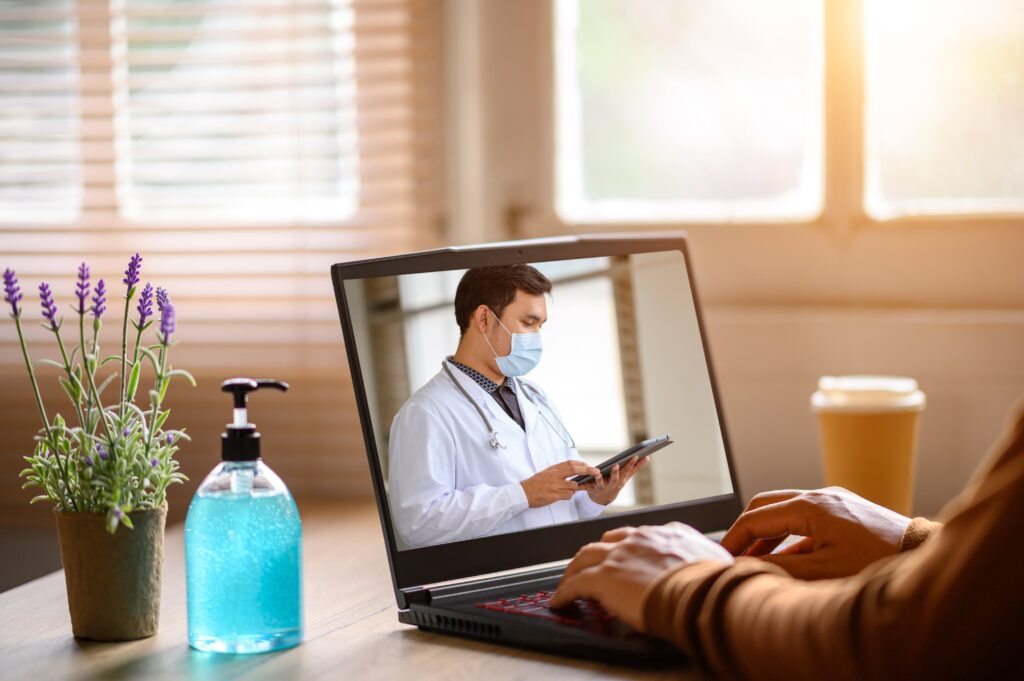
2. Enhancing Medication Management for Healthier Outcomes

Optimizing medication management is a critical step in lowering hospitalization rates across the U.S. Educating patients about their prescriptions plays a key role in preventing medication errors and adverse drug reactions, which are among the leading causes of hospital readmissions. Furthermore, fostering regular communication between healthcare providers and patients encourages a collaborative approach to medication management.

By closely monitoring refill schedules and identifying potential side effects early, we can address issues before they become severe. These proactive measures demonstrate the vital importance of prioritizing accurate and effective medication use to improve patient outcomes and reduce hospitalizations.

3. Improving Patient Education and Involvement

Empowering patients with comprehensive knowledge about their conditions, available treatments, and self-care practices can greatly enhance health outcomes. When individuals take an active role in their healthcare decisions, they are more likely to follow prescribed treatments and identify potential issues early, preventing complications before they arise. This proactive approach not only minimizes hospitalizations but also instills a sense of confidence and ownership in their health journey, fostering long-term well-being.


4. Maximizing the Benefits of Telehealth Services

Virtual consultations have revolutionized healthcare by offering a convenient alternative to traditional in-person visits. By adopting telehealth, patients can access expert medical care from the comfort of their homes, eliminating travel challenges and reducing exposure to potential health risks in waiting rooms. This innovative approach enables timely interventions and supports treatment adherence, making it easier for patients to seek help when needed.

Furthermore, with real-time monitoring tools and app-based communication, healthcare providers can maintain closer oversight of their patient’s conditions, enhancing accountability and ensuring consistent, high-quality care.

5. Building resilient community support networks

By creating strong connections between local organizations, families, and healthcare providers, we can develop a nurturing environment that empowers individuals to actively engage in their own care. This approach not only strengthens the overall health of the community but also encourages a sense of shared responsibility for well-being.

For instance, establishing community resource centers can play a pivotal role in meeting essential needs by offering services such as nutrition counseling, mental health support, and wellness programs. These centers serve as hubs where individuals can access valuable resources to improve their quality of life. Moreover, involving local volunteers helps foster meaningful relationships, creating a network of support that can identify those at risk and provide personalized assistance.

When people feel supported by a strong, reliable network, they are less likely to rely on emergency services or hospitalizations for manageable health issues. This community-focused, proactive approach emphasizes the vital role of prevention and the shared responsibility for fostering overall health and well-being.

Frequently Asked Questions

Q1: What is RPM and how does it reduce hospital visits?
RPM allows providers to monitor patient vital signs remotely in real time. CMS research confirms telehealth-based follow-up after hospitalization has been effective at reducing readmissions – with telehealth follow-up reaching 46% of post-discharge visits during expanded coverage periods. National Institute on Aging

Q2: What is CCM and who qualifies?
CCM provides coordinated care for patients with two or more chronic conditions. CMS’s Hospital Readmissions Reduction Program specifically targets chronic condition patients – recognizing that poor care coordination and discharge planning are leading drivers of avoidable readmissions. American Geriatrics Society

Q3: How big is the hospital readmission problem in the U.S.?
In 2013 alone, the cost of Medicare hospital readmissions reached $29.6 billion. CMS has since advanced multiple initiatives specifically to reduce preventable readmissions and improve care coordination. National Institute on Aging

Q4: Does telehealth actually reduce hospitalizations?
Yes. CMS data confirms that patients receiving telehealth follow-up after discharge had meaningfully lower 30-day readmission rates compared to those with no follow-up visit – with the largest differences seen in heart failure, AMI, and pneumonia patients. National Institute on Aging

Q5: What role does medication management play in preventing readmissions?
CMS reduces payments to hospitals with higher-than-expected readmission rates – recognizing that appropriate transitional care, clear discharge planning, and follow-up are preventable factors in many readmissions.

Conclusion

In our efforts to avoid frequent hospital stays, we often forget a simple yet powerful truth: it’s not only hospitals that care for us. By focusing on preventive health measures and actively engaging with the support available within our communities, we are creating a safety net that can catch us before we fall into the need for emergency care. Embracing this approach not only strengthens our health but also fosters a sense of connection and responsibility, allowing us to address potential issues before they escalate. Ultimately, it’s this proactive, community-driven mindset that helps keep us out of the hospital and thriving in our everyday lives.

Conclusion

How To Provide High-Quality Healthcare at a Lower Cost

How To Provide High-Quality Healthcare at a Lower Cost

Finding a balance between providing high-quality care at a reasonable cost is both a challenge and an opportunity in today’s fast-paced healthcare landscape. With rising expenses and varying standards of care, standing out as a provider who excels in both quality and cost-efficiency is more crucial than ever.

Through innovative strategies and the smart use of technology, healthcare providers can reshape their practices to deliver outstanding patient care while keeping costs in check.

In this article, we’ll uncover actionable steps healthcare professionals can take to provide exceptional, affordable care—proving that excellence and affordability can go hand in hand.

Knowing the Fundamentals of High-Quality Healthcare

Delivering high-quality, low-cost healthcare requires a deep understanding of the core principles that define effective care. Achieving this balance hinges on prioritizing patient-centered care while maintaining efficiency and affordability within the U.S. healthcare framework.

Studies show that a focus on preventive care not only improves patient outcomes but also significantly reduces long-term costs—much like how adopting a healthy lifestyle can prevent future medical complications.

By embracing innovative practices and leveraging advanced technologies, we can streamline operations and elevate service delivery. This approach empowers us to transform the healthcare landscape, ensuring quality care is accessible and affordable for all.

Determine Which Technologies and Practices Are Cost-Effective

When thinking about cost-effective healthcare, it’s tempting to imagine teams of doctors brainstorming ways to cut expenses without sacrificing care quality. However, the path to balancing costs and excellence lies in adopting innovative, practical solutions.

Take telemedicine, for example—a modern tool that not only reduces overhead but also enhances patient access to care. Similarly, evidence-based protocols ensure consistent, high-quality treatment, often resulting in better outcomes and fewer complications. Collaborating to share resources among healthcare providers is another effective strategy to lower expenses while maintaining superior care standards.

The key to cost efficiency isn’t cutting corners—it’s making smart, patient-focused decisions that benefit both those receiving and delivering care.

Harnessing Technologies Like Remote Patient Monitoring (RPM) and Chronic Care Management (CCM)

Technologies such as Remote Patient Monitoring (RPM) and Chronic Care Management (CCM) are transforming the healthcare landscape, enabling providers to deliver exceptional care while keeping costs in check. Here’s how these tools make a difference:

Improved Patient Outcomes

RPM allows continuous, real-time monitoring of patients with chronic conditions. By tracking vital signs, symptoms, and medication adherence, healthcare providers can identify issues early and intervene promptly, preventing complications and reducing hospitalizations.

Enhanced Efficiency

CCM programs provide a structured approach to managing chronic conditions through regular check-ins, personalized care plans, and coordinated efforts. This proactive care reduces costly emergency visits and hospital admissions.

Cost Savings

By minimizing the need for in-person visits and reducing hospital readmissions, RPM and CCM substantially lower healthcare expenses. These technologies streamline care delivery, saving time and resources for both patients and providers.

Patient Engagement and Satisfaction

By providing patients with the resources and support they need to better manage their diseases, RPM and CCM actively engage patients in their health management. This fosters higher satisfaction and adherence to treatment plans, crucial for achieving optimal health outcomes.

Optimized Resource Utilization

With RPM, providers can remotely monitor multiple patients, focusing their attention on those requiring immediate care while efficiently managing stable cases. This balanced approach ensures better use of resources and time.

Together, RPM and CCM empower providers to offer personalized, high-quality care while reducing costs. By aligning with value-based care principles, these technologies ensure patients receive timely, effective treatment—proving that innovation and affordability can go hand in hand.

Cultivating a Skilled and Efficient Healthcare Team

Creating a skilled and efficient healthcare team is the cornerstone of providing exceptional, cost-effective care. Begin by investing in robust training programs designed to enhance individual expertise and foster collaboration across all roles. When team members feel valued and supported, job satisfaction and productivity naturally rise.

Incorporating advanced technologies like telemedicine and electronic health records further streamlines workflows reduces operational burdens, and allows the team to focus more on delivering excellent patient care. This integration not only saves time but also minimizes administrative tasks, promoting a more seamless care experience.

Continuous learning opportunities and ongoing support are essential to sustaining team efficiency and effectiveness. With a focus on teamwork and skill-building, you’ll be well-positioned to adopt innovative care models that emphasize patient-centered approaches—ensuring that the needs of your patients always come first.

Putting Patient-Centered Care Models into Practice

Putting patient-centered care models into practice requires careful attention to each patient’s individual needs, similar to tailoring a suit. By prioritizing the patient, healthcare providers can create personalized care experiences that enhance both clinical outcomes and patient satisfaction. Involving patients in shared decision-making empowers them to actively participate in their treatment, creating a sense of control over their health journey. 

Additionally, telehealth technology expands access to care while maintaining meaningful connections between patients and providers. As these approaches are introduced, it’s essential to regularly evaluate their impact on patients, allowing for necessary adjustments and ongoing improvements. Committing to this process ensures continuous quality enhancement and a steadfast focus on patient well-being.

Assessing Performance and Improving Care Constantly

Measuring performance and continuously improving care is essential for healthcare providers focused on delivering quality, cost-effective services. Tracking key performance indicators (KPIs) helps assess areas like patient outcomes and efficiency. By analyzing data trends, we can identify strengths and areas for growth, fostering a culture of accountability and innovation among staff. Regular feedback from both patients and employees allows for real-time adjustments to better meet their needs. This commitment to improvement not only enhances patient satisfaction but also drives efficiency across the organization.

Conclusion

We can all strive to be healthcare providers who deliver both high-quality and affordable care. By implementing efficient processes, investing in our team, and prioritizing patient-centered care, we can improve outcomes and ensure the long-term sustainability of our services. This approach benefits everyone involved, especially our patients, building a healthcare environment focused on excellence and accessibility for all.