Hear Our AI

Medical Office Force

Transformation of Healthcare with Digital Solutions like RPM and CCM

The healthcare industry is embracing a profound transformation with digital solutions like Remote Patient Monitoring (RPM) and Chronic Care Management (CCM). These innovative technologies are reshaping the way care is delivered, creating a system that is more accessible, efficient, and patient-focused. Gone are the days of long clinic waits and impersonal interactions—digital health now offers continuous care tailored to individual needs, right from the comfort of home.

RPM enables real-time tracking of vital signs, allowing for timely interventions, while CCM provides comprehensive support for managing chronic conditions through personalized care plans and regular follow-ups. This digital evolution is paving the way for a smarter, more proactive healthcare experience, empowering patients and enhancing outcomes like never before.

Understanding Digital Health Services

Digital health services like RPM and CCM have redefined traditional healthcare by emphasizing prevention and early intervention. RPM allows healthcare providers to monitor patients’ vital signs and health data in real-time, ensuring timely action before minor issues escalate into severe complications.

CCM, on the other hand, focuses on managing chronic conditions through coordinated care. It involves regular virtual check-ins, personalized care plans, and continuous monitoring to ensure patients remain on track with their health goals. Together, these services create a seamless, patient-centered approach that prioritizes long-term well-being.

The Benefits of Digital Health Solutions

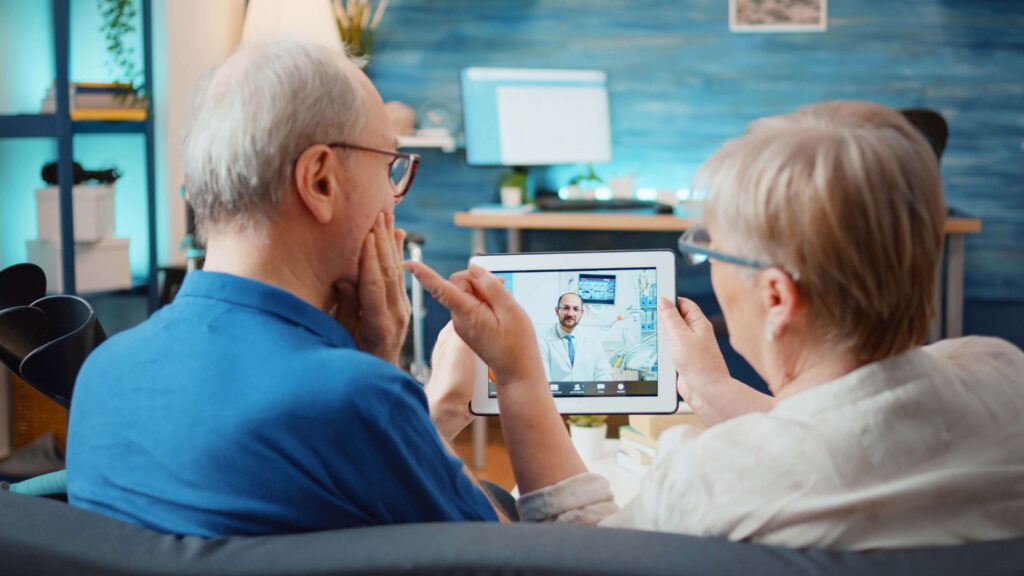
Digital health solutions offer a host of benefits for both patients and providers. RPM, for instance, eliminates the need for frequent in-person visits by enabling patients to monitor their health using wearable devices and apps. This saves time, reduces costs, and allows for the early detection of potential health issues.

CCM enhances care for patients with chronic conditions like diabetes or heart disease by offering ongoing support and care coordination. Patients receive regular virtual consultations, medication management, and tailored advice, empowering them to take control of their health.

Moreover, these technologies foster a sense of community and connection. Patients feel supported, knowing their healthcare providers are just a click away, ready to address concerns and provide guidance.

A Data-Driven Approach to Better Care

The integration of digital solutions into healthcare goes far beyond convenience—it represents a pivotal shift toward data-driven care that improves patient outcomes. By harnessing the power of data analytics, healthcare providers can gain critical insights into health trends, monitor patient progress, and identify potential issues before they escalate.

Early detection of warning signs allows for timely interventions, reducing the likelihood of hospitalizations and medical complications. This proactive approach enhances the quality of care, enabling more personalized treatment plans and fostering stronger patient-provider relationships. Ultimately, digital solutions empower healthcare systems to deliver efficient, preventive, and outcome-focused care tailored to individual needs.

Impact on Patient Outcomes

The adoption of RPM and CCM has had a profound impact on patient outcomes. By enabling continuous monitoring and timely interventions, RPM helps prevent health issues from worsening, reducing emergency visits and hospital admissions.

CCM takes patient care a step further by addressing the unique needs of individuals with chronic conditions. Regular check-ins and personalized care plans ensure patients stay on track, improving their quality of life and fostering long-term health management.

The Future of Healthcare

As technology continues to evolve, the potential for digital health services is boundless. Innovations such as AI-powered diagnostics, predictive analytics, and virtual reality therapies are on the horizon, promising even greater advancements in patient care.

The transformation of healthcare through digital solutions like RPM and CCM is a testament to the power of technology in improving lives. By embracing these innovations, the healthcare industry is paving the way for a future where care is more accessible, personalized, and effective, ensuring better outcomes for patients everywhere.

This digital revolution in healthcare is not just about treating illnesses but empowering individuals to take charge of their health and well-being, heralding a new era of proactive, patient-centric care.

Frequently Asked Questions

Q1: What is Remote Patient Monitoring (RPM) and how does it work?
Remote Patient Monitoring allows a patient to collect their own health data – such as blood pressure, weight, and glucose levels – using a connected medical device that automatically transmits the data to their healthcare provider. The provider then uses this data to remotely monitor and manage the patient’s condition. Medicare has covered RPM services since 2018, and the number of patients using it has increased significantly each year. Wiley Online Library.

Q2: What conditions qualify a patient for Chronic Care Management (CCM)?
Eligible CCM patients must have two or more chronic conditions expected to last at least 12 months or until the patient’s death, and that place them at significant risk of death, acute exacerbation, or functional decline. CCM services allow eligible practitioners to bill for at least 20 minutes of care coordination services per month and are typically non-face-to-face. American Geriatrics Society

Q3: Does Medicare cover RPM and CCM services?
Yes. Medicare covers RPM for both chronic and acute conditions. To be eligible, a patient must have a condition that requires monitoring and must use an FDA-defined medical device that digitally uploads and transmits health data at least 16 days every 30 days. Providers bill Medicare using specific procedure codes for device setup, supply, and treatment management. Wiley Online Library.

Q4: Can RPM and CCM be billed together?
You can bill either Remote Physiologic Monitoring (RPM) or Remote Therapeutic Monitoring (RTM), but not both concurrently with any CCM or Transitional Care Management (TCM) service in the same billing period. Practices should consult CPT instructions for any additional codes that cannot be billed concurrently with CCM. American Geriatrics Society

Q5: What devices are used in Remote Patient Monitoring?
Common RPM devices include connected blood pressure cuffs, weight scales, and pulse oximeters. Each device must meet the FDA’s definition of a medical device and must digitally upload and transmit data. The three main components of RPM are patient education and device setup, device supply with regular data transmission, and treatment management by the provider. Wiley Online Library.

Q6: How does CCM improve outcomes for patients with chronic conditions?
Under CCM, practitioners create, revise, and monitor a patient-centered, electronic comprehensive care plan based on a physical, mental, cognitive, psychosocial, functional, and environmental assessment. This structured approach ensures continuous, coordinated care between visits – helping patients with complex chronic conditions stay on track and reducing the risk of hospitalizations and acute episodes. National Institute on Aging.

Q7: What is the difference between RPM and telehealth?
RPM and telehealth are complementary but distinct. Telehealth involves real-time, two-way interactive communication between a provider and patient, while Remote Monitoring focuses specifically on the collection and automated transmission of physiological data from patient devices to the provider – without requiring a live interaction at the time of data collection. National Institute on Aging

Conclusion

The transformation of healthcare through digital solutions like RPM and CCM marks a groundbreaking shift toward a more proactive, patient-centered approach. These innovations are revolutionizing how care is delivered, blending technology with compassion to create a seamless, efficient, and personalized healthcare experience. By enabling continuous monitoring, early intervention, and coordinated chronic care, digital health solutions empower patients to take charge of their well-being while improving outcomes and reducing hospitalizations. As technology continues to advance, this evolution underscores a commitment to accessible, high-quality care. The future of healthcare lies in utilizing these innovations to build healthier communities and enhance lives globally.

References

For more information, write to contact@medicalofficeforce.com


Share Your Thoughts

No comments yet — be the first to comment!

Leave a Comment

Your email address will not be published. Required fields are marked *